
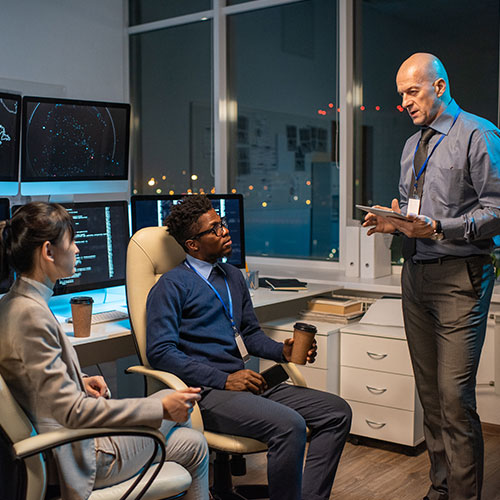
Introduction to IT Consulting and Business Transformation
IT consulting has become an indispensable facet of the modern business landscape, offering insights and expertise that guide organizations through the complexities of technological innovation. At its core, IT consulting involves analyzing a company's technology needs and designing solutions to meet these requirements efficiently and effectively. This strategic partnership plays a pivotal role in driving business transformation, enabling companies to leverage technology to achieve their long-term goals.
The connection between IT consulting and business transformation is grounded in the digital era's demands. As technologies evolve at an unprecedented rate, businesses face the challenge of staying competitive and relevant. IT consultants bridge this gap by providing the knowledge and skills necessary to navigate technological changes, identifying opportunities for innovation and improvement. Their role is not just to advise on the best tech solutions but also to foresee industry trends and prepare businesses to adapt and thrive in a constantly changing environment.
Transforming a business through technology involves a comprehensive approach, starting with an assessment of the current state of IT infrastructure and processes. IT consultants evaluate how technology serves the organization's goals, pinpointing inefficiencies, gaps, and potential areas for growth. This initial assessment is critical to developing a strategic plan that aligns technology adoption with business objectives, ensuring that every investment in tech contributes to the broader vision of transformation and success.
Identifying Gaps and Opportunities
One of the first steps in driving business transformation is identifying gaps in the current IT infrastructure and operational processes. IT consultants employ various methodologies to assess an organization's technology landscape, uncovering inefficiencies, outdated systems, and areas where technology is not being utilized to its full potential. This gap analysis is crucial for setting the groundwork for meaningful changes and improvements.
Through a meticulous evaluation process, IT consultants pinpoint areas for improvement and potential growth, providing businesses with a clear understanding of where their technology investments can yield the highest returns. By aligning technological capabilities with business goals, consultants can identify opportunities for innovation that propel the organization forward, whether through streamlining operations, enhancing customer experiences, or entering new markets.
The impact of this gap analysis on strategic planning cannot be overstated. It informs decision-making, guiding businesses on where to allocate resources for the greatest effect. Strategic investments in technology, based on a thorough understanding of current gaps and future opportunities, can transform operations, drive efficiency, and create a competitive edge in the marketplace.
Strategic Planning and Roadmapping
Developing a strategic IT roadmap is a critical step in ensuring that technology adoption aligns with and supports the business's overarching goals. IT consultants play a key role in this process, bringing together stakeholders from various departments to collaborate on a plan that integrates technological solutions with business objectives. This roadmap serves as a blueprint for the organization's technological journey, outlining key milestones, technologies to be adopted, and the timeline for implementation.
In facilitating strategic planning sessions, IT consultants leverage their expertise to guide discussions, ensuring that the roadmap is realistic, achievable, and aligned with the company's vision. They provide insights into the latest technologies and industry trends, helping businesses make informed decisions about which innovations will drive their transformation efforts.
Case studies of successful IT strategic planning illustrate its profound impact on business transformation. Companies that have meticulously developed and followed a strategic IT roadmap often experience significant improvements in operational efficiency, customer satisfaction, and market positioning. These successes underscore the value of strategic planning in navigating the complex landscape of digital transformation.
Technology Adoption and Integration
The selection and adoption of new technologies are pivotal moments in an organization's transformation journey. IT consultants offer critical guidance in navigating the vast landscape of available technologies, helping businesses choose solutions that best meet their needs while ensuring compatibility with existing systems. This process involves a thorough assessment of the organization's operational requirements, budget constraints, and long-term strategic goals.
Integrating new IT solutions into an existing infrastructure presents its own set of challenges, from ensuring data compatibility to training staff on new systems. IT consultants provide expertise in managing these transitions smoothly, minimizing disruptions to business operations and maximizing the benefits of new technologies. Best practices in technology integration include developing comprehensive implementation plans, conducting pilot tests, and providing ongoing support and training for employees.
Examples of transformative technology adoption abound, from cloud computing solutions that enhance data accessibility and collaboration to AI-driven analytics that offer deep insights into customer behavior. Guided by IT consulting, businesses can leverage these technologies to revolutionize their operations, improve customer experiences, and stay ahead of the competition.
Enhancing Operational Efficiency
One of the primary objectives of IT consulting is to drive enhancements in operational efficiency. By leveraging technology, businesses can streamline processes, reduce costs, and increase productivity. Consultants analyze workflows and systems to identify bottlenecks and inefficiencies, recommending solutions that automate tasks, improve data management, and facilitate communication and collaboration across teams.
The use of technology to improve operational efficiency is evident in the widespread adoption of enterprise resource planning (ERP) systems, customer relationship management (CRM) software, and other tools that automate and optimize business processes. These solutions not only save time and resources but also provide valuable insights that inform strategic decision-making.
Real-world examples of operational improvements through IT consulting include companies that have transformed their supply chain management through IoT technology, enabling real-time tracking and optimization of logistics. Similarly, businesses that have adopted AI-powered chatbots for customer service have seen improvements in response times and customer satisfaction. These examples highlight the potential of technology, guided by expert consulting, to make significant impacts on business efficiency and success.
Driving Innovation and Competitive Advantage
Innovation is at the heart of competitive advantage, and IT consulting plays a crucial role in fostering a culture of innovation within organizations. Consultants provide insights into emerging technologies and industry trends, helping businesses identify and capitalize on opportunities for innovation. Whether through developing new products, enhancing services, or optimizing operations, technology can be a powerful driver of differentiation and market leadership.
The creation of competitive advantages through technology is not limited to large corporations. Small and medium-sized enterprises can also leverage IT consulting to identify niche opportunities and deploy technologies that set them apart from competitors. From utilizing data analytics for personalized marketing campaigns to adopting blockchain for secure transactions, the possibilities for innovation are endless.
Case studies of companies that have achieved significant market advantages through innovation highlight the transformative power of technology. For example, businesses that have integrated AI and machine learning into their operations have developed predictive capabilities that anticipate market trends and customer needs, allowing them to stay one step ahead of competitors. These successes demonstrate how IT consulting can guide organizations in harnessing technology to drive innovation and secure a competitive edge.
Managing Change and Cultural Shifts
IT-driven business transformation often requires significant changes in organizational culture and employee behavior. Managing the human side of change is critical to the success of any technology adoption effort. IT consultants assist in developing change management strategies that address employee concerns, communicate the benefits of new technologies, and foster a culture of innovation and adaptability.
Overcoming resistance to change is one of the biggest challenges in implementing new technologies. IT consultants employ various tactics to facilitate this process, including involving employees in the planning stages, providing comprehensive training, and establishing feedback mechanisms to address concerns. By actively engaging with staff and demonstrating the positive impact of technological changes on their work, organizations can build buy-in and enthusiasm for new initiatives.
Examples of effective change management include companies that have transitioned to digital workflows from paper-based processes. In these cases, IT consultants have played a crucial role in guiding employees through the transition, highlighting the benefits of increased efficiency and accessibility of information. Similarly, firms that have introduced remote working technologies have relied on IT consulting to manage the cultural shift towards more flexible work environments. These instances show how thoughtful management of change can facilitate the successful integration of new technologies and foster a culture that embraces continuous improvement and innovation.
Conclusion: The Future of IT Consulting in Business Transformation
The journey of integrating IT consulting into the fabric of business transformation is marked by a series of strategic decisions, innovations, and cultural shifts. Throughout this process, the value of IT consulting in driving business transformation has been made abundantly clear. By identifying gaps, strategizing roadmaps, adopting and integrating new technologies, and enhancing operational efficiency, IT consulting serves as a beacon guiding businesses through the tumultuous waters of digital transformation.
As we look towards the future, the role of IT consulting in business transformation is set to evolve further. Emerging technologies such as artificial intelligence, blockchain, and the Internet of Things (IoT) are poised to redefine what is possible, pushing businesses to explore new frontiers of efficiency, innovation, and competitiveness. IT consultants will remain indispensable partners in navigating these changes, helping organizations to not only adapt but also thrive in an increasingly digital world.
In conclusion, leveraging IT consulting for business transformation is not just about staying relevant in today's market; it's about envisioning and building the future of the organization. The ongoing collaboration between business leaders and IT consultants will continue to be crucial for success, ensuring that businesses can leverage technology to meet their strategic objectives, adapt to changing market dynamics, and achieve sustainable growth. With IT consulting at their side, businesses are well-equipped to face the challenges of the digital age, embracing transformation as an opportunity for innovation and leadership in their respective industries.
This comprehensive exploration into the role of IT consulting in driving business transformation underscores its critical importance in today's digital landscape. As organizations continue to seek ways to innovate and improve, the guidance and expertise provided by IT consultants will remain invaluable assets in their journey towards achieving long-term success and transformation.
If you would like further information or advice, feel free to call us at 855-367-8348 or email us at info@vitaledgeit.com any time! You can also fill out our Free Security Assessment Form